Blog

  • African Women Surgeons Transform Healthcare in Rwanda

    The Rise of African Women Surgeons: A New Era in Healthcare

    In recent years, African women have been making significant strides in the field of surgery, gaining recognition for their exceptional skills and compassionate approach to patient care. This transformation is not just about professional achievement but also about challenging long-standing societal norms that have historically limited women’s roles in medicine.

    Dr. Uwase Clemence, a Rwandan medical officer, spoke at the Pan-African Surgical Healthcare Forum (PASHeF) in Addis Ababa on November 5–7, 2025, highlighting the unique contributions of women surgeons. She emphasized that the combination of empathy and clinical expertise is a hallmark of many female surgeons, who often bring a nurturing attitude that enhances the patient experience.

    “Women surgeons often have a caring attitude that aligns with their natural nurturing instincts,” Dr. Clemence said. “This personal touch makes patients feel valued and understood.”

    Overcoming Traditional Barriers

    For many generations, traditional beliefs in various African cultures have discouraged women from entering the medical profession, especially in fields like surgery. These cultural expectations have often painted a picture where women were seen as less capable or unsuited for such demanding roles. However, this narrative is gradually changing, thanks to the persistent efforts of women who are breaking through these barriers.

    Despite the progress, Dr. Clemence noted that some people still question the abilities of women in surgery. “They think women can’t succeed in surgery, or they worry women won’t balance work with family life,” she explained. Yet, many women surgeons are proving otherwise, excelling in their careers while managing their family responsibilities.

    “It is absolutely possible for a woman to be a doctor and still take good care of her family,” Dr. Clemence affirmed. Her words reflect the growing confidence among women who are redefining what it means to be a surgeon in Africa.

    Rwanda as a Model for Gender Equality

    Rwanda has emerged as a strong example of progress in gender equality, with women holding 60 percent of parliamentary seats. The government’s commitment to equal access to education ensures that half of all scholarship recipients are women, creating opportunities for more girls and young women to pursue careers in medicine.

    Dr. Clemence urged policymakers to continue supporting initiatives that empower women in the medical field. “If those in leadership keep developing policies that empower women, the biases in our communities will gradually fade,” she stated.

    Encouragement for Future Surgeons

    Dr. Clemence concluded her speech with an encouraging message for aspiring female surgeons. “The first step is connecting women and showing them what’s possible. My message is simple, believe in yourself. You can achieve success if you truly want it.”

    Her words resonate with the growing number of women who are choosing to enter the surgical field, driven by a desire to make a difference in their communities. African women surgeons are not only breaking stereotypes but are actively elevating healthcare standards with their compassion and dedication.

    A New Era in Medicine

    The impact of these women is evident in the improved quality of healthcare across the continent. Their presence in the operating room brings a new perspective that benefits both patients and the broader medical community. As more women enter the field, the future of surgery in Africa looks brighter, with a focus on inclusivity and excellence.

    With continued support and encouragement, the journey of African women surgeons is set to inspire a new generation of medical professionals who will shape the future of healthcare in Africa and beyond.
  • U.S. Denies Visas for Health Conditions: New State Department Guidelines

    U.S. Denies Visas for Health Conditions: New State Department Guidelines

    New Guidelines for U.S. Immigrant Visas Raise Concerns

    Recent reports have highlighted a shift in the criteria used by U.S. immigration authorities when evaluating visa applications. According to new guidelines, applicants may face rejection if they are deemed likely to become a “public burden” due to specific health conditions or age-related factors.

    The U.S. Department of State, which oversees visa issuance, has updated its policies to include health status as a key factor in determining eligibility. This change has sparked significant debate among experts and advocacy groups.

    Health Conditions as a Basis for Denial

    The guidelines specify that certain medical conditions could lead to the denial of an immigrant visa. These include chronic illnesses such as diabetes, obesity, cardiovascular diseases, respiratory issues, cancer, and mental health disorders. The rationale provided is that these conditions may require costly treatments, potentially placing a financial strain on public resources.

    Obesity, in particular, has been identified as a concern. It can lead to complications like asthma, sleep apnea, and hypertension, all of which may require ongoing medical care. Visa officers are now instructed to assess whether applicants can afford treatment without relying on government assistance.

    Consideration of Family Members’ Health

    In addition to the applicant’s own health, the guidelines also encourage visa officers to evaluate the health of family members. This includes children or elderly parents, especially if there are concerns about the applicant’s ability to maintain employment due to caregiving responsibilities or other special needs.

    Currently, health evaluations for visa applicants typically involve screenings for infectious diseases and verification of vaccination records. However, the new guidelines significantly expand the scope of health considerations, giving visa officers more discretion in making decisions based on health status.

    Policy Implications and Criticisms

    Experts argue that the new guidelines represent a broader policy shift, with potential implications for immigration practices. Some suggest that these changes align with a more restrictive approach to immigration, focusing on reducing the number of individuals who might require public support.

    Diabetes affects approximately 10% of the global population, while cardiovascular diseases remain the leading cause of death worldwide. Critics warn that implementing these guidelines immediately could lead to widespread challenges, particularly for individuals from countries where these health conditions are prevalent.

    Ongoing Debate and Future Impact

    The expanded criteria for health-related visa denials have raised concerns about fairness and equity in the immigration process. Advocacy groups emphasize that many of these conditions are common and not necessarily indicative of an individual’s ability to contribute to society.

    As the policy moves forward, it remains to be seen how it will affect applicants and whether it will lead to increased scrutiny of health profiles during the visa review process. For now, the focus is on understanding the full impact of these changes and ensuring that they do not disproportionately affect vulnerable populations.

    Key Points from the Guidelines

    • Visa officers are now instructed to consider health conditions as a reason for denying entry.
    • Chronic illnesses such as diabetes, obesity, and cardiovascular diseases are included in the evaluation.
    • Applicants must demonstrate the ability to afford medical treatment without government assistance.
    • The health of family members is also taken into account in certain cases.
    • These changes have raised concerns about the fairness and effectiveness of the immigration system.
  • World Vision Ghana Supplies Health and Water Resources to Oti Directorate

    World Vision Ghana Supplies Health and Water Resources to Oti Directorate

    World Vision Ghana Donates Essential Supplies to Oti Region

    World Vision Ghana has recently made a significant contribution to the Oti Regional Health Directorate by donating medical and water treatment supplies. This initiative aims to enhance healthcare delivery and promote better hygiene practices in the region.

    The donation was facilitated through Gift-in-Kind (GIK) support from World Vision Canada and water purifiers provided by P&G. The items included in the donation are diverse and essential for improving public health. Specifically, the supplies consist of over 50 WASH buckets, more than 1,000 boxes of medical examination gloves, over 400 disposable CPE gowns, and more than 100 boxes of P&G water purifiers intended for emergency use.

    Appreciation from the Health Directorate

    Speaking on behalf of the Health Directorate, Deputy Director of Finance, Mr Emmanuel Gatewku, expressed deep gratitude to World Vision Ghana for its ongoing partnership. He emphasized that the gesture is both timely and greatly appreciated. According to him, these supplies will be used effectively to support quality healthcare across the Oti Region. He also highlighted the reliability of World Vision as a partner and praised the consistency of their support.

    Mr Gatewku reiterated his appreciation, stating, “These supplies will support quality healthcare delivery across the Oti Region.”

    Commitment to Safe Water and WASH Initiatives

    Mr Irvine Aboagye, Southern Regional Operations Manager at World Vision Ghana, shared the organization’s continued dedication to improving access to safe water. He mentioned that the organization remains committed to collaborating with the Regional Coordinating Council and other local stakeholders.

    “Water is life, and it is essential that life is lived in good health,” he said. “We are committed to supporting WASH initiatives at the community and household levels.”

    Regional Minister’s Response

    Mr John Kwadwo Gyapong, the Oti Regional Minister, commended World Vision Ghana for its consistent interventions, referring to the organization as “God-sent.” He acknowledged the persistent issue of water-related illnesses in the region, citing several deaths in Dambai due to unsafe water sources.

    Since becoming Regional Minister, he has witnessed the loss of several individuals to water-related diseases. In response, he urged World Vision to extend its support to Krachi East and Nkwanta South, emphasizing the need for stronger interventions.

    The Regional Minister assured World Vision Ghana of the full support and cooperation of the Regional Coordinating Council, pledging to work closely with the organization to expand its life-saving initiatives.

    Strengthening Health Systems and Community Wellbeing

    This donation highlights World Vision’s ongoing commitment to improving health systems, enhancing access to clean water, and contributing to the overall wellbeing of communities across Ghana. Through such efforts, the organization continues to play a vital role in addressing critical health challenges and promoting sustainable development.

  • OncoRun Marathon Unites Cancer Communities in Seoul

    OncoRun Marathon Unites Cancer Communities in Seoul

    A Day of Hope and Movement

    On the morning of the 8th, over 700 people gathered at the main stadium of Yonsei University’s Sinchon Campus in Seoul’s Seodaemun District. The air was filled with energy as participants chanted, “Exercise defeats cancer!” Many wore matching blue T-shirts, representing a shared cause. Most of them were cancer patients and their families, united by a common goal: to promote the benefits of exercise in cancer prevention, rehabilitation, and survival.

    The event, called OncoRun, was organized by Yonsei University’s Department of Sports Applied Industry and the Cancer Prevention Center at Yonsei Cancer Hospital. Combining “Oncology” and “Run,” the marathon aimed to raise awareness about how physical activity can positively impact those battling cancer.

    Personal Stories of Resilience

    Cho Yoon-seong, 59, who was diagnosed with bladder cancer two months ago, shared his experience. He underwent one surgery and is scheduled for another next month. “I run for an hour every day to survive,” he said. After retiring from 30 years of work at a nuclear power plant, he had planned to start a “second life” when he received the cancer diagnosis. “It felt like the sky had fallen.” His father also passed away from lung cancer at the same age. “Running with fellow cancer patients gives me strength,” he added.

    Participants had the option to choose between a 5 km run or a 3 km walk course. The route started at Yonsei University’s Sinchon Campus and ended at Ansan Dulle-gil. Near the finish line, participants patted each other’s backs while catching their breath. Some expressed surprise that the run was more manageable than they expected. Others reached for water bottles, showing signs of both exhaustion and triumph.

    A Supportive Community

    An Do-kyung, 53, from Sejong, was diagnosed with stage 4 breast cancer last year and has been undergoing anticancer treatment. She said, “The event motivated me to run for 30 minutes every morning and do stretching in the evenings.” Her participation highlighted the growing awareness of how exercise can play a role in cancer care.

    Before the run, a professor from Yonsei University’s Department of Sports Applied Industry gave a lecture to participants. He emphasized the importance of moderate aerobic exercise, such as 150 minutes of walking per week, combined with bodyweight strength training. “These activities can significantly improve survival rates,” he stated.

    The Power of Physical Activity

    The OncoRun marathon not only served as a platform for raising awareness but also created a supportive community for cancer patients. Participants found strength in each other, sharing experiences and encouraging one another throughout the event. For many, the run was more than just a physical challenge—it was a symbol of hope and resilience.

    As the sun rose over Seoul, the participants left the stadium with a renewed sense of purpose. Their efforts reflected a growing movement that recognizes the vital role of exercise in the fight against cancer. Whether through running, walking, or simply taking part, each individual contributed to a larger message: that movement can be a powerful ally in the journey toward healing and recovery.

  • State Life Launches OPD Insurance Pilot to Revolutionize Healthcare in GB

    A New Era in Healthcare Access

    In a significant move aimed at improving healthcare accessibility, the State Life Insurance Corporation of Pakistan (SLIC) has partnered with the Government of Gilgit-Baltistan (GB) to launch a pilot outpatient department (OPD) insurance scheme. This initiative marks a major step forward in addressing the healthcare needs of marginalized communities in the region.

    The agreement was officially signed by Mr Muhammad Ashar, SLIC Divisional Head Health, and Mr Syed Ishtiaq Hussain, SHM Project Director for Gilgit-Baltistan. The event was attended by several key officials, including Parliamentary Secretary for Commerce Mr Zulfiqar Ali Bhatti, CEO of SLIC Mr Shoaib Javed Hussain, and Mr Asif Ullah Khan, Secretary Health, Government of Gilgit-Baltistan. This collaboration highlights the shared commitment of both parties to enhancing public health services in the area.

    Expanding Healthcare Coverage

    The new OPD insurance scheme aims to provide free outpatient services to patients in selected districts of Gilgit-Baltistan. This initiative is a crucial step in improving primary healthcare access, particularly for those who have historically faced challenges in obtaining medical care. The project is financially supported by the German development bank KfW, which has allocated Rs407 million+ for the pilot phase.

    Mr Shoaib Javed Hussain, CEO of SLIC, emphasized the importance of this initiative, stating, “Over the past few years, Pakistan’s healthcare landscape has transformed, and State Life has been privileged to stand at the centre of this evolution. Through innovation, and a deep sense of national responsibility, we’ve built a foundation where over 180 million Pakistanis have access to quality care and financial protection. The Gilgit-Baltistan OPD initiative continues that journey; extending the reach of healthcare to every corner of our country.”

    Implementation and Funding Structure

    Initially, the program will be launched in Gilgit, targeting over 68,000 members of marginalized communities identified through the Benazir Income Support Programme (BISP) database. The scheme will eventually be expanded to other districts within Gilgit-Baltistan, ensuring broader coverage and impact.

    The funding structure of the initiative involves a partnership between KfW and the Government of Gilgit-Baltistan. KfW will contribute 90 percent of the funding, while the local government will cover the remaining 10 percent. This arrangement ensures strong local ownership and partnership, which is essential for the sustainability of the program.

    Commitment to Public Health Equity

    Mr Asif Ullah Khan, Secretary Health, Government of Gilgit-Baltistan, expressed appreciation for the collaboration with SLIC and international partners. He stated, “The Government of Gilgit-Baltistan appreciates the strong partnership with State Life and our international development partners. Through this OPD Insurance Scheme, we are taking a practical step towards ensuring affordable, equitable, and social healthcare for our people.”

    This pilot initiative not only reinforces the government’s commitment to public health equity but also highlights SLIC’s growing role as a strategic administrator of national and provincial health insurance programs across Pakistan. By providing financial protection and access to quality care, the scheme represents a vital step in achieving universal healthcare coverage.

    Looking Ahead

    As the pilot program progresses, it is expected to serve as a model for future healthcare initiatives in other regions of Pakistan. The success of this project could lead to similar partnerships and programs that address the diverse healthcare needs of the population. With continued support from both local and international stakeholders, the future of healthcare in Gilgit-Baltistan looks promising.


  • 10-Year-Old Leukaemia Fighter Raises £400,000 for Supporting Charities

    A Young Hero’s Extraordinary Journey

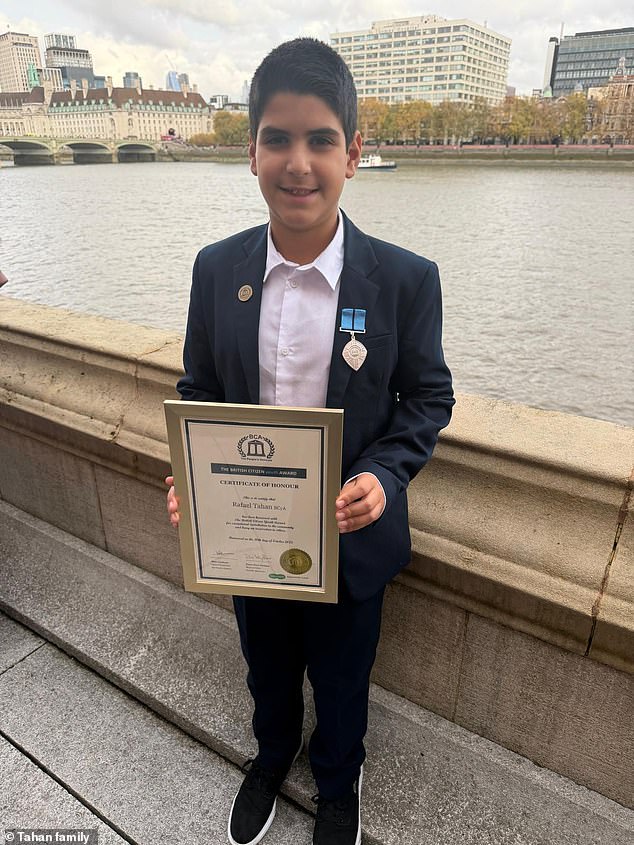
    A 10-year-old boy who spent years bravely fighting leukaemia has been recognized for his extraordinary fundraising efforts—after raising £400,000 for the charities that supported him through his treatment. Rafael Tahan, a Year 5 pupil, was diagnosed with acute lymphoblastic leukaemia (ALL) in March 2023, when he was just seven years old. After that, he had to undergo intensive chemotherapy to try and save his life, including having more than 20 operations and 100 blood transfusions.

    Throughout this period, Rafael was supported by Camp Simcha, an organization that provides support, retreats, and activities for Jewish children with serious illnesses. Now in remission and continuing his recovery, Rafael has given back in remarkable fashion—raising £248,000 for Camp Simcha, which he says helped bring “a smile back to [his] face.” He has also helped to raise money for Chai Cancer Care—taking his total now to £400,000.

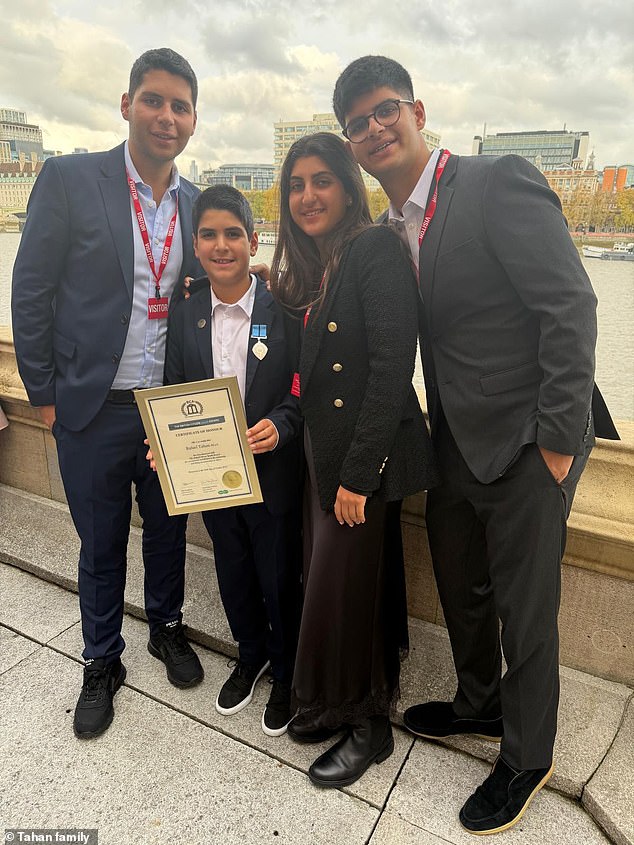
    Now, Rafael’s incredible efforts have been recognized after he was awarded The British Citizen Youth Award—supported by The People’s Honours. The young boy and his family traveled to the House of Lords last month where he was presented with the accolade.

    The British Citizen Youth Award (BCyA) was founded in 2016 with the aim of celebrating the incredible community work of young people.

    Rafael embarked upon his incredible fundraising drive this year when Camp Simcha ran its Matched Funding campaign. Speaking in a Camp Simcha video promoting the campaign, Rafael said: “I was diagnosed with leukaemia two years ago and I had 12 needles stuck on my arms.” He recalled how Camp Simcha sent him on a trip to the US to spend a summer at Camp America. Rafael said he was “nervous” making the trip because he hadn’t travelled abroad on his own before, but felt at ease because Camp Simcha sent a volunteer, Raffi (who himself was supported by the charity when he had a brain tumour) with him.

    “He took me to activities when I needed help,” Rafael said. He added he hopes to volunteer for the charity and help other children in the future.

    Rafael’s flair for fundraising runs in the family—after his older brother Joey raised more than £100,000 for Great Ormond Street Hospital, which treated Rafael, in 2023. Showing support for his younger brother as he began gruelling chemotherapy, Joey shaved his head in solidarity with the initial aim of raising £18,000 for GOSH—a meaningful figure because the number 18 means “life” in Hebrew. However, Joey smashed his target—reaching a final total of £106,792 for the Children’s Cancer Centre at the hospital.

    Rafael’s father David revealed the tough treatment his son had gone through—including intense chemotherapy, more than 20 operations, and 100 blood transfusions. He explained how Rafael missed a considerable amount of school time thanks to his treatment, but thanked the charities for supporting him during that time.

    Other Inspiring Stories

    How did cancer-fighting teen Mikayla Beames raise an incredible £350,000 and grant 220 heartwarming wishes for seriously ill children?

    How did Oscar Piastri’s heartfelt gesture bring joy to a young fan battling leukaemia?

    What heartwarming steps did Gracie’s family take to support her battling acute lymphoblastic leukaemia, and how did they raise over £7,000?

    How did a vibrant triathlete’s marathon battle against relentless leukemia raise over £25,000 for groundbreaking research?

    How did a best friend’s grandpa’s inspiring feat help raise £45,000 towards battling Britain’s deadliest child cancer?

  • New Drug Offers 24-Hour Blood Pressure Breakthrough

    New Drug Offers 24-Hour Protection Against High Blood Pressure

    A groundbreaking drug has been developed that provides 24-hour protection against high blood pressure, particularly during the early morning hours when the risk of heart attacks and strokes is highest. This development marks a significant advancement in the treatment of hypertension, especially for those who suffer from treatment-resistant cases.

    Blood pressure is heavily influenced by a hormone known as aldosterone, which is produced by the adrenal glands. Aldosterone helps regulate the balance of sodium and potassium in the body, thereby maintaining blood pressure levels. However, in some individuals, the body produces excessive amounts of aldosterone, leading to the retention of salt and water, which in turn elevates blood pressure.

    Traditional medications have long aimed to block the effects of aldosterone, but the new drug, baxdrostat, takes a different approach by directly inhibiting the production of this hormone. This innovative mechanism could offer more effective control over blood pressure, especially in challenging cases.

    Global Trial Demonstrates Effectiveness

    A global trial named Bax24 involved 218 participants from 79 locations worldwide. These individuals had treatment-resistant high blood pressure, meaning their condition remained uncontrolled even while taking at least three other types of medication. The study was led by Professor Bryan Williams from University College London (UCL), who highlighted the remarkable results of the trial.

    Professor Williams, a professor of cardiovascular science, stated:

    “The trial results are quite remarkable both in terms of the magnitude of blood pressure reduction and the fact that it was sustained across the entire 24-hour period. The effectiveness of this drug is unprecedented and suggests that the hormone aldosterone, which the drug targets, is playing a very important role in driving up blood pressure in many of the patients we struggle to control with existing treatments.”

    He added that this discovery represents a real advance in understanding treatment-resistant hypertension and offers a major breakthrough in new treatment options. He emphasized that many people could potentially benefit from this new treatment.

    Study Methodology and Results

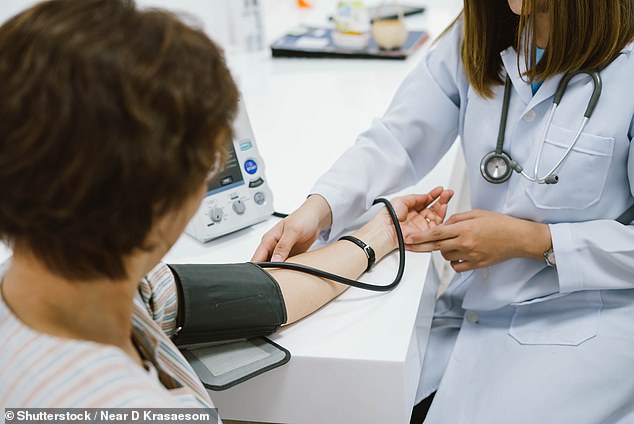
    In the study, participants either took baxdrostat or a placebo once daily in tablet form, alongside their usual treatment. Their blood pressure was monitored using 24-hour ambulatory blood pressure monitoring (ABPM), a small wearable device that measures blood pressure regularly throughout the day and night. This method provides a more accurate assessment of blood pressure control compared to traditional clinic readings.

    After 12 weeks, individuals taking baxdrostat experienced a substantial reduction in blood pressure throughout the entire day, including during the night and early morning hours when the risk of heart attack and stroke is highest. The findings were recently presented at a late-breaking science session at the American Association of Cardiologists Scientific Sessions in New Orleans.

    This follows an earlier trial involving 800 patients that demonstrated the promising effects of baxdrostat. In that study, patients taking the drug saw their blood pressure decrease by about nine to 10 mmHg more than those on a placebo after 12 weeks. Approximately four out of ten patients achieved healthy blood pressure levels, compared to fewer than two out of ten on the placebo. No unexpected safety issues were reported.

    Previous studies suggest that such a reduction in blood pressure can significantly lower the risk of coronary heart disease, stroke, heart failure, and death.

    Prevalence of High Blood Pressure in the UK

    It is estimated that 14 million people in the UK live with high blood pressure, but in half of these cases, the condition remains uncontrolled or resistant to treatment, even when taking a combination of two or three different drugs. These individuals face a higher risk of serious health complications, including heart attacks, strokes, kidney disease, and early death.

    The British Heart Foundation warns that many people in the UK may be living with undiagnosed high blood pressure. Symptoms include headaches, blurred vision, chest pain, and nosebleeds, according to the NHS.

    High blood pressure becomes more common with age, but other risk factors include a family history of the condition, ethnicity, an unhealthy diet, being overweight, smoking, alcohol consumption, and stress.

    If you suspect you have high blood pressure, you can get it checked at a pharmacy or your local GP surgery. Many pharmacies offer free blood pressure checks for people aged 40 or older.

    Future Availability and Implications

    Baxdrostat could be available on the NHS as early as next year, with manufacturer AstraZeneca preparing to apply for regulatory approval within months. This potential availability could revolutionize the treatment of millions of Britons suffering from high blood pressure.

    As research continues, the implications of this breakthrough extend beyond individual health, offering hope for a broader public health impact. With the potential to reduce the burden of hypertension-related diseases, baxdrostat represents a significant step forward in the fight against one of the most prevalent and dangerous conditions globally.

  • Jigawa commits to UNICEF partnership for health and education funding

    Jigawa State Reaffirms Commitment to UNICEF Partnership

    The Jigawa State Government has once again emphasized its dedication to maintaining and strengthening its partnership with the United Nations Children’s Fund (UNICEF) in order to enhance child welfare. This commitment includes a pledge of consistent funding for critical programs that will be implemented in the coming year.

    Over the years, the collaboration between the state and UNICEF has focused on improving various aspects of children’s lives, including health, education, nutrition, and child protection. These efforts have been especially vital in rural communities where poverty and access gaps remain significant challenges.

    Through joint initiatives, thousands of children have received vaccinations against preventable diseases such as polio. Additionally, new schools have been constructed, and vulnerable children have been safeguarded from exploitation. These achievements highlight the positive impact of the partnership on the most disadvantaged populations.

    The renewed commitment comes as the state prepares for 2026 with fresh goals aimed at building upon past successes. During an end-of-year review meeting held in Dutse, the state capital, the Permanent Secretary for Administration and Finance in the Office of the Secretary to the State Government, Abdullahi Saidu, reaffirmed the government’s long-standing dedication to working with UNICEF.

    The meeting was organized to evaluate the accomplishments of 2025, identify existing challenges, and outline the plan for 2026. Saidu highlighted the importance of continuing support for UNICEF’s programs, stating that the state would allocate a dedicated budget line annually for these initiatives.

    “This support targets key areas such as health services, school improvements, nutrition initiatives, and child protection,” he said. He also noted that these sectors are central to Jigawa’s broader development agenda.

    “The collaboration strengthens our fight against child vulnerabilities,” Saidu added, as participants at the session pledged cross-agency cooperation to ensure the success of the plan.

    The meeting, organized by the Ministry of Budget and Economic Planning, brought together representatives from various ministries and agencies across the state. It concluded on an optimistic note, with renewed enthusiasm for expanded interventions in 2026.

    In August, it was reported that the Jigawa government, in collaboration with UNICEF, engaged over 90 officials in training on Result-Based Budgeting, with a focus on the education sector. This initiative was part of their intervention on education financing.

    Education specialist with UNICEF Kano Field Office, Mr Muntaka Mukhtar, mentioned this during a three-day workshop held in Katsina State. He explained that the purpose of the training was to improve education financing by ensuring sufficient and sustained resources that enable every child to learn and acquire skills for the future.

    This ongoing effort reflects the state’s determination to invest in the future of its children through strategic partnerships and targeted interventions. As Jigawa looks ahead to 2026, the emphasis remains on sustainability, inclusivity, and measurable outcomes that benefit the most vulnerable members of society.

  • Pakistan Demands Tech Transfer at Global Bio-Health Summit

    Pakistan’s Call for Enhanced Agricultural Collaboration

    At the 7th International Symposium on Technology Transfer, Innovation Cooperation, and Bio-Health Agriculture, held in Xianyang, Northwest China, from November 4 to 8, Pakistan emphasized the importance of technology transfer and innovation partnerships in enhancing agricultural productivity and sustainability. The symposium brought together over 300 representatives from various regions, including Belarus, Thailand, Arab nations, ASEAN countries, and others.

    The event focused on global priorities such as climate change, food security, healthy agriculture, biomedicine, water-saving irrigation, and smart breeding. It highlighted the need for international collaboration and the transformation of scientific achievements into practical agricultural solutions under the Belt and Road Initiative (BRI) framework.

    Dr. Shakil Arshad, Director at the Ministry of Science and Technology, Pakistan, spoke at the symposium and underscored the pivotal role of technology transfer in improving agricultural productivity and promoting sustainable development. He urged China and Pakistan to deepen cooperation in areas such as smart irrigation, AI-based agricultural monitoring, and water resource security, while also strengthening entrepreneurial exchanges and inter-provincial partnerships.

    In his keynote address titled “Technology Transfer in the Agricultural Field between China and Pakistan,” Dr. Arshad described technology transfer as a critical driver of innovation, modernization, and rural uplift. He remarked that technology transfer increases crop yields and resource efficiency, fosters agricultural innovation, and enhances food security and rural development.

    Key Areas of Interest for Pakistan

    Dr. Arshad highlighted several key areas of interest for Pakistan, including hybrid seed technology, precision agriculture, AI-driven monitoring, water-saving irrigation systems, and post-harvest management and value addition. These fields represent promising opportunities for bilateral cooperation.

    However, he also noted several challenges facing bilateral technology cooperation, such as infrastructure and logistical barriers, climate adaptability, intellectual property and cost issues, and training needs. Dr. Arshad emphasized that these obstacles must be overcome through joint effort and shared expertise.

    Research and Exchange Activities

    During the five-day symposium, participants engaged in research and exchange activities, including visits to biomedical and agricultural enterprises. These visits aimed to promote in-depth collaboration between international experts and local industries.

    Potential Benefits of Collaboration

    The symposium provided a platform for discussing how technology transfer can lead to significant improvements in agricultural practices. By leveraging advancements in artificial intelligence, data analytics, and sustainable farming techniques, both countries can work towards more resilient and efficient agricultural systems.

    Collaboration in smart irrigation systems can help address water scarcity issues, while precision agriculture can optimize resource use and increase yields. Additionally, the development of hybrid seeds can enhance crop resilience and productivity, contributing to food security in both nations.

    Challenges and Opportunities

    Despite the potential benefits, there are challenges that need to be addressed. Infrastructure gaps, logistical difficulties, and the need for capacity building in areas such as technology adoption and maintenance are significant hurdles. Moreover, the issue of intellectual property rights and the high costs associated with implementing new technologies can pose barriers to widespread adoption.

    To overcome these challenges, it is essential for both countries to invest in education and training programs that equip farmers and agricultural professionals with the necessary skills. Furthermore, fostering a culture of innovation and entrepreneurship can drive the development of locally relevant solutions.

    Conclusion

    The 7th International Symposium on Technology Transfer, Innovation Cooperation, and Bio-Health Agriculture has underscored the importance of international collaboration in addressing global agricultural challenges. Through enhanced technology transfer and innovation partnerships, Pakistan and China can work together to build a more sustainable and productive agricultural sector. This partnership not only benefits the two nations but also contributes to global efforts in achieving food security and environmental sustainability.


  • Margaret Muizuro: The Silent Burnout Crisis in Healthcare

    Understanding the Hidden Crisis: Silent Burnout in Healthcare

    Whenever healthcare workers go on strike, there is always a familiar refrain: a call for better working conditions and fair remuneration. By the time healthcare professionals collectively decide to down their tools, it is often a sign that many have been suffering in silence for a long time. This brings to the fore an urgent and under-addressed challenge within the health sector—silent burnout.

    Silent burnout is a gradual, often invisible form of exhaustion where individuals continue to perform and appear productive while internally feeling drained, unmotivated, and emotionally numb. Unlike traditional burnout, it does not erupt suddenly; it creeps in quietly as workers suppress the signs and push through their fatigue, leading to a slow erosion of energy and well-being. This challenge thrives in high-stress work environments.

    Take nursing, for example, a profession defined by long shifts and constant emotional and physical demands. Hospitals are rarely calm spaces; emergencies arise at any hour, patients require constant monitoring, and medication routines often extend deep into the night. Without structured staffing and adequate rest schedules, nurses inevitably bear the brunt of exhaustion.

    A 2024 Gallup Global Workplace Report notes that healthcare is among the top sectors experiencing chronic fatigue and disengagement, with “quiet quitting” emerging as a symptom of widespread burnout. Similarly, the World Health Organization’s 2023 report on the State of the Health Workforce warns that sustained overwork and emotional strain are driving high attrition rates among nurses globally.

    A 2024 National Institutes of Health (NIH) meta-analysis further revealed that 74.3% of nurses identified as “quiet quitters,” with heavier workloads directly linked to higher levels of disengagement and burnout. Quitting is often a last resort. Burnout shows up subtly, through emotional numbness, persistent fatigue, loss of motivation, and withdrawal from social and professional engagement.

    Many healthcare workers convince themselves that it is “just a rough week” and push through, masking distress until the damage is deep. Sustained stress without adequate recovery is one of the leading causes of silent burnout.

    It is fueled by a high-achiever mentality, the constant pressure to perform, to deliver, and to remain resilient at all costs. Toxic workplace cultures that glorify busyness and undervalue rest compound the problem, creating environments where exhaustion becomes normalized and self-care is seen as weakness.

    Silent burnout is the quiet cry of those who give everything to heal others while forgetting to heal themselves. Cognizant of this, organizations must become intentional about creating environments where healthcare workers can pause, speak, and heal.

    Caring for the caregiver is just as vital as caring for the patient. Locally, Kenya has not been spared from this reality. Episodes of healthcare worker strikes and ongoing public appeals for fair workloads, adequate staffing, and psychological support reflect a workforce stretched to its limits.

    Nurses and other frontline professionals remain deeply committed to serving, yet many continue to grapple with overwhelming case loads and emotional fatigue. While meaningful steps have been taken to improve working conditions, more sustained and comprehensive action is required to fully support the very professionals who keep our health system functioning.

    This starts with ensuring manageable workloads, proper staffing levels, and systems that discourage chronic overtime. Equally vital, and often overlooked, is mental health support. Institutions must invest in counseling services, peer-support programs, and open conversations around well-being that create safe spaces for vulnerability and emotional recovery.

    Leadership training is equally vital to ensuring managers can recognize early signs of burnout and foster empathetic, supportive environments. When this is implemented consistently, institutions can experience a genuine cultural shift, one that normalizes seeking help, taking rest, and discussing stress without stigma.

    Recognizing and rewarding the emotional labor of healthcare workers can help rebuild morale and motivation. In addition, sustained policy advocacy is essential to secure government and institutional commitment toward protecting the mental health of those who dedicate their lives to caring for others.

    The Kenya Health Workforce Report 2023 by the Ministry of Health already underscores this need, calling for improved welfare systems and psychological support frameworks for frontline medical staff.

    Silent burnout does not happen overnight; it grows quietly beneath layers of duty, sacrifice, and dedication. Recognizing it early and building systems that support recovery can help healthcare workers not only survive in their roles but thrive as they continue to care for others.

    Kenya cannot afford a healthcare workforce that is present in uniform but absent in spirit. Because in the end, those who care for the nation deserve more than applause; they deserve protection, investment, and unwavering support.